
How California Punishes Creativity and Transfers the Cost to Joe Sixpack
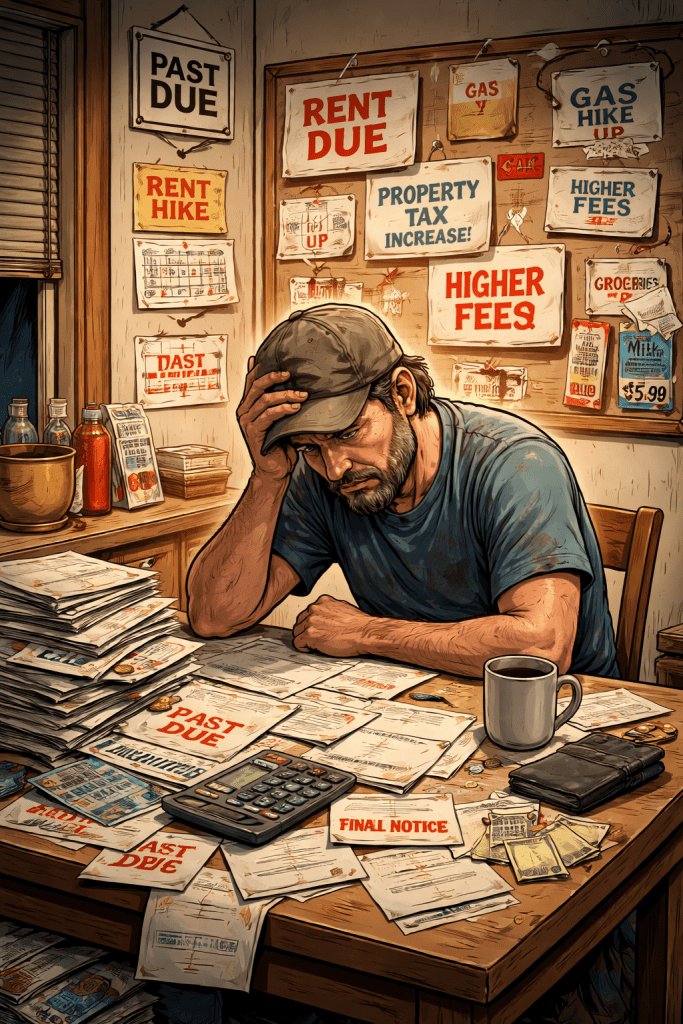
In Atlas Shrugged, Ayn Rand imagined a society that barely survives by condemning the very people who make it function. As regulation tightens and success is moralized into guilt, the most productive minds—engineers, inventors, authors, screenwriters, builders—do not revolt. They withdraw. Led by John Galt, they go quietly into the night, vanishing on strike, removing their intelligence and creative energy from a world that treats profitable excellence as exploitation. The collapse that follows is not sudden. It is slow, hollowing, and largely self-inflicted. Rand’s warning was stark: when a culture punishes inventiveness in the name of the public good—pushing its rampant socialism—creativity stops.
California now stands at that threshold.
The Cultural Shrug
Galt’s Gulch did not begin with billionaires leaving the state. It began earlier, in the culture. In Hollywood, it appeared when scriptwriters stopped inventing. The studios remained open, cameras still rolled, and content kept flowing—but the spark was gone. Original stories gave way to sequels, remakes, and algorithm-approved sameness. Risk disappeared. Meaning flattened. By the time audiences sensed the emptiness, the creative withdrawal had already occurred. Loss of esprit de corps always precedes visible decline.
Who is John Galt?
He was an electrician working alone after hours. He found a way to turn static buildup into continuous power—quiet, scalable, no fuel—enough to light a city. He also understood the price of success: injunctions, hearings, “stakeholder” lawsuits, regulatory custody, and a decade lost while incumbents and agencies debated if he was even allowed to exist.
So he made a different choice. He filed no patent, called no one, dismantled the machine, locked the drawings away, and went back to pulling wire, until he left without a trace. Not because his device didn’t work—but because he knew the game and refused to play.
The city kept burning fuel until it couldn’t. His breakthrough never did happen. And society collapsed. That was the shrug at the heart of Atlas Shrugged: when the cost of winning became too expensive.
Silence preceded the withdrawal of that inventive mind. And society never recognized what it lost, the mind on strike.
The Elite Drift
When the success ladder loses its higher rungs, elites stop climbing. Ambition curdles into social vanity, philanthro-theater, and curated indulgence. The energy that once built companies dissolves into titillating distractions. Innovation does not flee in protest; it usually evaporates in decadence. This is the quiet shrug of those who have everything except moral purpose.
Decadence as the Final Stage
The Epstein Files exposed this last phase with uncomfortable clarity. Flight logs, court records, and sworn testimony revealed a world of private jets, secluded islands, and a bored aristocracy seeking sensation where higher purpose had thinned. Whatever the legal outcomes in individual cases, the cultural pattern was unmistakable: elites no longer building, no longer striving, no longer creating—only consuming. This was not rebellion against the system, but exhaustion within it.
Not defiance, but decadence.
California’s Dangerous Path
California has not yet collapsed—but it is hollowing out.
Hollywood survives on franchises, not invention. Startups incorporate elsewhere while keeping symbolic shell addresses. Capital remains physically present but inert. Elites shift from new building to staged performance—status, politics, indulgence. Proposed wealth taxes accelerate this trajectory, not because billionaires are fragile, but because they are mobile, rational, and observant. They see a state redefining productivity as a liability and conclude—quietly—that the California game is no longer worth playing.
This is the real danger. California may still collect revenue for a time, but it is burning the seed corn. As innovators disengage or leave, productivity shrinks, investment slows, and the tax base narrows. The political response is predictable: calls for higher taxes will grow louder, as fewer producers remain to shoulder the burden. And the architects of these policies will never admit error. Socialist politicians do not reverse course; they rationalize, rebrand, and double down.
Going after the lower income brackets will be inevitable.
And this is where Joe Sixpack finally gets crushed. When the billionaires leave and the innovators stop trying, the state does not shrink—it panics. The revenue gap widens, and Sacramento reaches for the only thing left within arm’s reach: the people who can’t move. Property taxes creep up. Sales taxes rise. Gas gets more expensive. DMV fees, utility surcharges, school bonds, tolls, insurance mandates, and “temporary” levies pile on. Wages stall while costs climb. Services degrade anyway.
Joe works harder, saves less, and wonders why the math no longer works. By the time he realizes what happened, the producers are gone, the ladder is broken, and the full weight of the system—once carried by a shrinking elite—has been shifted onto his back. Atlas didn’t disappear.
He was replaced by Joe Six-Pack
In the end, socialism always runs out of rich people’s money—and finds Joe Sixpack standing there.
https://www.thecentersquare.com/opinion/article_987c51ae-4550-11ef-8fe2-83eae1bfceb4.html
https://tubitv.com/movies/460948/atlas-shrugged-pt-1
If you’d like more insights, visit RMDellOrfanoAuthor.com under the blog category … Wealth, where conscience, culture, and spirit intersect.
If you like what you read, please refer this site to others.
 THE TRIQUETRA OF LIFE: Wisdom, Wealth, and Wellness
Leave a comment