
This a 90-minute read gathers exciting momentum in its visionary finale. It is of special interest to Catholics and evangelical Christians concerned about the rapid moral decline of both Church and State, and its remedy.
Administrators of The Cardinal Newman Society, the Sophia Institute, and John Paul Catholic University will find inspirational suggestions for fully incorporating this Vision Quest model in their future. Also referenced are the University of St Francis of Steubenville and the University of Dallas. Worcester Polytechnic Institute can take a bow for its successful global projects outreach that can serve as a Catholic outreach curriculum model.
Greco-Roman history buffs will enjoy its insight comparing Spartan and Roman characteristics. Former military members of America’s elite corps will find their Spartan-like profile in this intriguing dialogue with a robot.
Critics of Pope Francis’ deviance from tradition and bowing to the secular world will find a reasonable explanation. We learn that the Church has shied from Billy Graham’s essential keynote message due to individualism.
But for those readers with zero interest in any of the above topics, I was particularly impressed with Chat GPT’s ability to respond with pertinent details in mere seconds to support its conclusions, and to do so without prejudice. I haven’t found my fellow humans capable of doing anything close to the polymath mentorship exhibited in this edifying dialogue.
Share it: Word Count 12,742, about a 66-minute, A GOOD READ.
You said:
Sparta has the image of a remarkable culture both artistically and militarily. What factors brought it into decline?
Chat GPT:
Sparta’s decline as a dominant power in ancient Greece was due to a combination of internal and external factors. Here’s an overview:
· Internal Factors
- Rigid Social System:Sparta’s strict social structure and dependency on the helots (enslaved population) for agricultural labor created significant tensions. The helots frequently revolted, which demanded resources to suppress and prevented long-term stability The rigid class distinctions (Spartiates, Perioikoi, and Helots) discouraged economic and social adaptability.
- Demographic Decline:Sparta’s population of full citizens (Spartiates) declined significantly over time due to strict citizenship laws. Only those who completed the agoge (military training) and maintained property wealth were full citizens. Wars and inflexible inheritance laws exacerbated the decline, leading to fewer soldiers.
- Overemphasis on Militarism:The focus on military excellence left Sparta lagging in trade, diplomacy, and cultural development compared to other city-states like Athens. This narrow focus limited its ability to adapt to changing circumstances in the Greek world.
- Lack of Innovation:Sparta resisted change and innovation in governance, technology, and economics. This stagnation made it difficult to compete with more dynamic and adaptive city-states.
- External Factors
- Military Defeats:The Battle of Leuctra (371 BCE) was a turning point where Thebes, led by Epaminondas, decisively defeated Sparta. This shattered the myth of Spartan invincibility and weakened its dominance.
- Rise of Other Powers:Thebes, Athens, and later Macedon rose to prominence, challenging Sparta’s authority. The Macedonian Empire under Philip II and Alexander the Great overshadowed Sparta’s influence in Greece.
- Geopolitical Changes:The political landscape of Greece shifted toward alliances and leagues (e.g., the Delian and Corinthian Leagues), reducing the relevance of Sparta’s isolated and militaristic model.
- Roman Conquest:By the time Rome expanded into Greece, Sparta had already diminished in power and relevance. The Roman conquest in the 2nd century BCE rendered Sparta a minor player in the broader Mediterranean world.
· Cultural and Legacy Aspects
- While Sparta’s decline as a military power was undeniable, its legacy as a symbol of discipline, resilience, and martial prowess persisted through history, influencing literature, philosophy, and military traditions worldwide.
- Would you like more detail on any of these factors?
· You said:
How did Sparta influence Roman warfare?
Chat GPT:
Sparta had a significant, though indirect, influence on Roman warfare, particularly in terms of its military ethos, discipline, and organization. The Romans admired Sparta’s martial culture and incorporated aspects of it into their own military traditions. Here’s how Sparta influenced Roman warfare:
1. Military Discipline and Training
- Spartan Influence: Spartans were renowned for their rigorous training regimen and discipline. The agoge, Sparta’s education and military training system, instilled loyalty, endurance, and combat readiness from a young age.
- Roman Adoption: The Romans admired this dedication and implemented strict training programs for their legions. Like the Spartans, Roman soldiers were trained to maintain discipline under pressure and execute commands without hesitation.

2. Emphasis on Collective Strength
- Spartan Influence: Spartans prioritized the phalanx, a formation where soldiers acted as a single unit. Individual valor was less important than the success of the group.
- Roman Adoption: The Romans incorporated this idea into their manipular and later cohort-based systems. While more flexible than the phalanx, Roman tactics also emphasized unit cohesion over individual heroics.
3. Martial Ideology
- Spartan Influence: Sparta celebrated a warrior ethos where dying in battle was the ultimate honor. This sense of duty and sacrifice resonated with Roman ideals.
- Roman Adoption: The Roman concept of virtus (manly courage) and the glorification of military service reflect this Spartan influence. Roman soldiers were expected to fight to the death for their city, mirroring Spartan ideals.
4. Spartan Hero Worship
- Spartan Influence: Figures like King Leonidas and the stand at Thermopylae became legendary examples of bravery and sacrifice, which the Romans admired deeply.
- Roman Adoption: Romans referenced Spartan heroism in their own rhetoric and art, using these examples to inspire their troops and validate their military conquests.
5. Role of Elite Soldiers
- Spartan Influence: The Spartiates were an elite warrior class, heavily trained and equipped, forming the backbone of Sparta’s military strength.
- Roman Adoption: While the Roman army was more inclusive, the idea of elite troops inspired units like the Praetorian Guard and the Legio X Equestris, which were highly trained and disciplined.
6. Military Uniformity and Simplicity
- Spartan Influence: Spartan warriors were known for their simple yet functional gear, emphasizing practicality over opulence.
- Roman Adoption: The Roman army adopted a similarly practical approach to equipment, focusing on standardized weapons and armor, which facilitated mass production and logistical efficiency.
7. Fortified Camps and Siegecraft
- Spartan Influence: Sparta’s defensive strategies and emphasis on fortified positions during prolonged conflicts influenced Greek warfare traditions as a whole.
- Roman Adoption: While Romans innovated significantly in siegecraft, their early focus on defensive fortifications and well-organized military camps owes some debt to Greek military practices, including those of Sparta.
Distinction from Sparta
Despite these influences, the Romans surpassed Sparta by being more adaptable and innovative. Sparta’s rigid and insular system ultimately limited its ability to evolve, whereas Rome thrived by incorporating the best aspects of various cultures, including Sparta’s, into its military practices.
Would you like details on specific Roman military innovations influenced by Sparta?
You said:
What current military units in the U.S. army and marines correlate with the Spartiaties?
Chat GPT:
In modern U.S. military forces, certain elite units reflect characteristics that parallel the Spartan Spartiates, particularly in their emphasis on discipline, rigorous training, and high-stakes operations. Here are some examples:
1. U.S. Army: Special Forces (“Green Berets”)
- Correlations with Spartiates:
- Elite Training: Like the Spartiates, the Green Berets undergo extensive and selective training to ensure only the most capable soldiers are admitted.
- Versatility: They specialize in unconventional warfare, much as Spartiates were trained to adapt in battle.
- Cohesion and Excellence: They operate in tightly-knit units that emphasize teamwork and discipline, reminiscent of the Spartan phalanx.
2. U.S. Army Rangers
- Correlations with Spartiates:
- Warrior Ethos: Rangers embody the “Ranger Creed,” which emphasizes discipline, mission focus, and readiness to fight and die for their country, reflecting the Spartan ethos.
- Selection Rigor: Their training is grueling, akin to the Spartan agoge, ensuring only the most physically and mentally resilient make it through.
3. U.S. Navy SEALs
- Correlations with Spartiates:
- Specialized Missions: SEALs are trained for high-risk, high-reward missions, much like the Spartiates were expected to handle critical battles.
- Physical and Mental Endurance: Their training, such as Hell Week, tests resilience to a degree comparable to Spartan expectations.
- Elite Status: Like Spartiates, SEALs are considered among the best in the military, forming an elite warrior class.
4. U.S. Marine Corps: Force Recon
- Correlations with Spartiates:
- Advanced Reconnaissance: Force Recon specializes in gathering intelligence in hostile environments, requiring stealth, discipline, and tactical precision.
- Esprit de Corps: The unity and pride in their elite status align with Spartan ideals of loyalty and collective strength.
5. Delta Force (1st Special Forces Operational Detachment-Delta)
- Correlations with Spartiates:
- Tier-One Elite: Delta Force operates at the highest level of U.S. military capabilities, reflecting the Spartiates’ role as Sparta’s elite warriors.
- Strategic Importance: They undertake missions of critical national security, similar to how the Spartiates were pivotal in major battles.

Shared Spartan Traits in These Units
- Rigorous Selection: Each of these units, like the Spartiates, enforces high entry standards, ensuring that only the best soldiers qualify.
- Mission Readiness: They are always prepared for deployment, reflecting the Spartan principle of constant readiness for war.
- Cohesion: A strong sense of camaraderie and unit integrity mirrors the phalanx’s reliance on mutual trust and cooperation.
- Sacrifice and Valor: Members of these units often face extreme risks, embodying the Spartan ideal of duty over personal safety.
Would you like a deeper dive into any specific unit or their training processes?
You said:
The early Jesuits come to mind as the elite missionaries of the Church Militant with much the same regimentation and austery depicted in Spartiates.
Chat GPT:
You’re absolutely right—early Jesuits share many parallels with the Spartan Spartiates, especially in their disciplined lifestyle, rigorous training, and dedication to their mission. While their goals and context differed (spiritual rather than martial), their organizational structures and values bear striking similarities. Here’s a closer look at how the early Jesuits resembled the Spartiates:
1. Rigorous Training and Formation
- Spartan Influence: Spartiates underwent the agoge, a grueling training program designed to instill discipline, endurance, and loyalty.
- Jesuit Parallel: Early Jesuits underwent years of formation, including intense spiritual exercises developed by St. Ignatius of Loyola, academic studies, and missionary preparation. This process was designed to develop unwavering commitment, intellectual rigor, and spiritual resilience.
2. Self-Sacrifice and Mission-Oriented Life
- Spartan Influence: Spartiates were trained to prioritize the state over personal comfort, even to the point of sacrificing their lives in battle.
- Jesuit Parallel: Jesuits committed themselves to the Catholic Church’s mission, often venturing into hostile or unfamiliar territories to spread Christianity. Their vows of poverty, chastity, and obedience mirrored the austere and sacrificial lifestyle of the Spartiates.
3. Strict Discipline and Hierarchy
- Spartan Influence: Sparta’s military and social systems emphasized obedience to superiors and unity in action, ensuring collective strength.
- Jesuit Parallel: The Society of Jesus operates under a centralized and hierarchical structure, with strict adherence to the authority of the Superior General and the rules of the order. This discipline allowed them to act cohesively, much like a Spartan phalanx.
4. Elite Status
- Spartan Influence: The Spartiates were an elite warrior class within Sparta, distinguished by their training and role in society.
- Jesuit Parallel: The Jesuits were considered the intellectual and missionary elite of the Catholic Church. Their members were often highly educated, multilingual, and skilled in diplomacy, theology, and cultural adaptation.
5. Adaptability and Focused Excellence
- Spartan Influence: While rigid in many ways, Spartan warriors were adaptable on the battlefield, excelling in tactics and strategy.
- Jesuit Parallel: Jesuits were known for their ability to adapt to different cultures, languages, and environments while maintaining their core spiritual mission. Their strategic approach to missions, education, and diplomacy made them effective “spiritual soldiers.”
6. Austerity and Simplicity
7. Legacy and Influence
- Spartan Influence: The Spartiates left a lasting legacy as symbols of discipline and martial prowess.
- Jesuit Parallel: The Jesuits remain influential, with their educational and missionary efforts shaping Catholicism and global culture. Their early commitment to disciplined training and mission work set a standard for future religious orders.
Key Difference
- While Spartiates existed to serve the Spartan state and its military dominance, the Jesuits were “soldiers of Christ,” serving the Catholic Church and aiming to transform societies spiritually and intellectually.
Trailer for the poignant and powerful Martin Scorcese film Silence showing Jesuit humility and meekness.
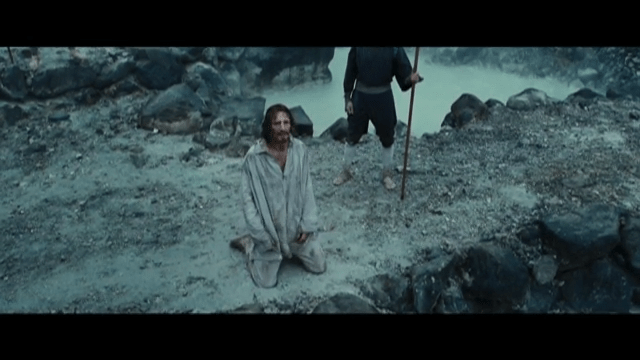
https://cdn.theguardian.tv/mainwebsite/2016/11/24/161124SilenceTrailer_desk.mp4
Trailer for the action packed film Mission (1986) showing Jesuit courage in the face of certain death.
Would you like to explore specific Jesuit missions or their approach to education and diplomacy?
You said:
One can’t help notice the Jesuits have become self-indulgent.
Chat GPT:
The perception of the Jesuits as indulgent or deviating from their original mission is a topic that has been raised by critics over the centuries. However, it’s worth examining this claim in a balanced context, recognizing both historical criticisms and the broader contributions of the Jesuit order.
Historical Context of Criticism
- Power and Influence: The Jesuits became one of the most powerful and influential religious orders within the Catholic Church, with roles in education, diplomacy, and missionary work. Their success often led to jealousy or suspicion from other groups within the Church or from secular governments, leading to accusations of moral laxity or corruption.
- Criticism of Adaptability: The Jesuits’ strategy of adapting to local customs and cultures in their missionary work sometimes led to accusations of compromising Catholic doctrine. In Europe, their engagement with politics and education made them targets for critics who saw them as overly ambitious or manipulative.
- Suppression and Scandals: The Jesuit order was suppressed in 1773 by Pope Clement XIV under pressure from European monarchies. Accusations of greed, manipulation, and moral corruption were cited, though political motivations also played a significant role.
Modern Criticisms
- Secularization: In the modern era, some critics argue that the Jesuits have embraced progressive or secular ideologies at the expense of their spiritual mission. Others claim that they prioritize academic excellence and political activism over traditional Catholic values.
- Scandals: Like many other religious institutions, the Jesuits have faced allegations of sexual misconduct and financial impropriety in recent decades. These issues have damaged their reputation and led to internal and external calls for reform.
Counterpoints and Defense
- Continued Dedication: Despite criticisms, many Jesuits remain deeply committed to their mission of education, social justice, and spiritual guidance. Jesuit-run institutions, such as universities and schools, continue to be centers of learning and community service worldwide.
- Internal Reform: The Jesuit order has taken steps to address scandals and criticisms, including implementing stricter oversight and accountability measures. Their commitment to intellectual and theological engagement often places them in challenging cultural and social debates.
- Legacy of Service: The Jesuits’ historical contributions to education, science, and missionary work remain significant. They continue to be active in addressing global issues like poverty, human rights, and environmental stewardship.
Understanding the Jesuit Paradox
The Jesuit order, like any long-standing institution, has evolved over time. While criticisms of moral laxity or indulgence may apply to certain individuals or groups within the order, it is also true that many Jesuits continue to embody the discipline, austerity, and dedication that characterized their early history.
Would you like to delve into specific controversies or explore how the Jesuits are navigating their mission in the modern world?
You said:
Wasn’t Pope Francis under Jesuit restriction not to accept or seek higher functional roles?
Chat GPT:
Yes, traditionally, Jesuits are expected to avoid seeking or accepting higher ecclesiastical roles, such as becoming a bishop or pope, as part of their vow of obedience and humility. This expectation aligns with their founding principle of prioritizing service over ambition within the hierarchical structure of the Catholic Church. However, exceptions to this rule have occurred, as evidenced by the election of Pope Francis, the first Jesuit pope in history. Here’s the context:
Jesuit Restrictions on Ecclesiastical Advancement
- Founding Principles:
- St. Ignatius of Loyola, the founder of the Society of Jesus (Jesuits), emphasized that Jesuits should remain free from the trappings of clerical power to focus on their mission of service and evangelization. Jesuits take a special vow of obedience to the pope and traditionally work in positions that support the broader Church, often avoiding the administrative roles of bishops or cardinals.
- Exceptions:
- While rare, Jesuits have occasionally been appointed as bishops or cardinals, typically at the direct request of the pope or under extraordinary circumstances.
Pope Francis’ Journey:
- Early Life and Jesuit Formation: Jorge Mario Bergoglio (Pope Francis) joined the Jesuits in 1958 and took vows of poverty, chastity, and obedience, including obedience to the Superior General of the Jesuits and the pope.
- Elevation to Bishop and Cardinal: Despite the Jesuit tradition, Bergoglio was appointed Auxiliary Bishop of Buenos Aires in 1992 and Archbishop in 1998. These roles were not sought by him but were likely accepted out of obedience to papal authority. In 2001, Pope John Paul II elevated him to cardinal, further deviating from the typical Jesuit path.
- Election as Pope: In 2013, Bergoglio was elected pope, breaking the centuries-old precedent of Jesuits avoiding such positions. His election was seen as a response to the Church’s need for reform and pastoral leadership, given his reputation for humility and dedication to social justice.
Why Was the Rule Overlooked?
- Extraordinary Circumstances: The Church was facing significant challenges, including scandals, internal divisions, and declining trust among the faithful. Bergoglio’s background as a Jesuit, his focus on simplicity, and his emphasis on the marginalized made him an appealing candidate.
- Obedience to the Church: Even as pope, Francis embodies the Jesuit vow of obedience—this time to the broader needs of the Catholic Church. His acceptance of the role reflects his commitment to serve where he was most needed.
Legacy and Tension:
While Pope Francis’ election as a Jesuit broke tradition, it also highlights the adaptability of the Church and the Jesuit order in times of crisis. His papacy has been marked by efforts to bring the Jesuit spirit of discernment, humility, and service to the highest office of the Catholic Church.
Would you like to explore more about Pope Francis’ Jesuit influence on his papacy?
You said:
Pope Francis seems to have been deviant in his adherence to Catholic doctrine and dogma in rogue statements and ceremonial acknowledgments. What justification does he have for such deviance?
Chat GPT:
Pope Francis’ actions and statements, often perceived as deviations from traditional Catholic doctrine and dogma, have sparked both praise and criticism. Understanding his justification requires examining his approach to leadership and theology, which is deeply influenced by his Jesuit background and his interpretation of the Church’s mission in the modern world.
1. Jesuit Influence: Adaptation and Discernment
- Contextual Theology: As a Jesuit, Pope Francis emphasizes discernment, which involves prayerfully reflecting on how to apply unchanging truths to contemporary situations. This approach allows for flexibility in addressing complex issues while staying rooted in core Catholic principles.
- Missionary Focus: Francis prioritizes the Church’s pastoral mission—reaching out to the marginalized, fostering inclusivity, and emphasizing mercy over strict legalism. This missionary mindset may lead to actions that seem unconventional but are intended to reflect Christ’s love and compassion.
2. A Focus on Mercy and Pastoral Care
- Doctrine vs. Pastoral Application: Francis often emphasizes the difference between unchanging doctrine and how it is applied pastorally. He argues that the Church’s role is not to condemn but to accompany people on their spiritual journey, even when their lives don’t align perfectly with Church teachings.
- Example: In his apostolic exhortation Amoris Laetitia (2016), he suggested that divorced and civilly remarried Catholics might, under certain circumstances, receive communion. This was widely debated, as it seemed to soften the Church’s stance on marriage indissolubility while focusing on individual pastoral care.
3. Statements and Actions That Spark Controversy
- LGBTQ+ Issues: Francis has made statements like “Who am I to judge?” regarding homosexual individuals seeking God, which some interpret as a shift in Church teaching.However, he maintains that Church doctrine on marriage remains unchanged, while emphasizing pastoral care and dignity for all.
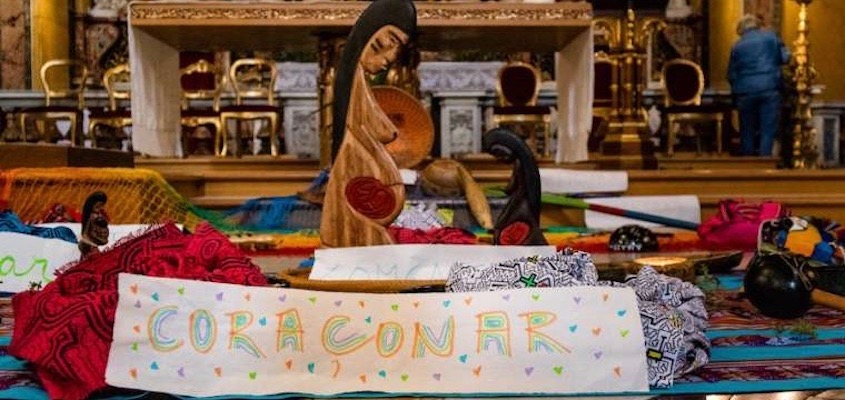
- Interfaith Engagement: Francis has participated in interfaith ceremonies, such as meetings with Indigenous leaders where he acknowledged spiritual traditions. Critics argue this blurs the line between Catholicism and other beliefs.
- He justifies such actions as steps toward dialogue and mutual understanding, which align with the Church’s call to evangelize through encounter rather than confrontation.
- Environmental Advocacy: In his encyclical Laudato Si’ (2015), he calls for urgent action on climate change. While this aligns with Catholic social teaching on stewardship, some view it as overemphasis on secular issues.
4. Theological Justifications
- The Principle of Gradualism: Francis often invokes the idea that spiritual growth is a gradual process. The Church should meet people where they are and guide them toward fuller adherence to Christ.
- Dynamic Tradition: He views Catholic tradition as a living reality, not a static set of rules, and argues that the Holy Spirit continues to guide the Church in responding to new challenges.
5. Criticism and Defense
- Critics: Some accuse Francis of creating confusion by prioritizing flexibility and inclusivity over doctrinal clarity. Traditionalists, in particular, see his actions as undermining Church authority and consistency.
- Supporters: His defenders argue that he is not changing doctrine but shifting emphasis toward mercy, compassion, and engagement with the modern world, following the example of Jesus.
Conclusion
Pope Francis’ perceived “deviance” stems from his pastoral focus, rooted in a Jesuit tradition of engagement and discernment. He seeks to balance fidelity to doctrine with an openness to addressing contemporary issues in a way that reflects the Church’s mission to evangelize and serve. While his approach may challenge traditional expectations, he justifies it as a response to the needs of the time, guided by the Gospel and the Holy Spirit.
Would you like to delve into specific controversies or theological principles further?
You said:
Does he not run the huge risk of rendering the Church a popularity show?
Chat GPT:
Yes, Pope Francis’ approach does carry the risk of the Church being perceived as a “popularity show” or as prioritizing public approval over doctrinal integrity. However, his leadership reflects a deliberate strategy rather than a pursuit of popularity. Here’s a breakdown of the potential risks and his likely motivations:
Risks of a Popularity-Driven Perception
- Dilution of Doctrine: By emphasizing mercy, inclusivity, and dialogue, critics argue that Pope Francis risks overshadowing the Church’s doctrinal teachings, leading to confusion about its core principles. For example, controversial statements like “Who am I to judge?” can be misinterpreted as changes to Church teaching, even when they are not intended as such.
- Compromising Identity: Efforts to engage with secular and interfaith audiences could dilute the distinctiveness of Catholicism. Some worry that by attempting to appeal to broader audiences, the Church might appear to compromise its moral and theological foundations.
- Short-Term Popularity vs. Long-Term Integrity: Seeking relevance in contemporary culture might win short-term admiration but could alienate traditional Catholics and create divisions within the Church. The focus on being “accessible” might be perceived as pandering, risking the Church’s credibility as a guardian of eternal truths.
- Media Misrepresentation: The media often highlights Francis’ more progressive or provocative statements while ignoring his affirmations of traditional teachings. This can create a skewed perception of the Church as focused on trends rather than timeless values.
Why Francis Takes These Risks
- Evangelization in the Modern World: Francis views engagement with contemporary culture not as a dilution of faith but as a way to bring people closer to Christ. By prioritizing dialogue and meeting people where they are, he seeks to make the Church more accessible to those who feel alienated or indifferent.
- Pastoral Focus Over Legalism: For Francis, the Church’s primary role is to be a “field hospital” for souls—offering healing and guidance rather than enforcing strict rules from the outset. This pastoral approach seeks to demonstrate God’s mercy before focusing on doctrinal rigor.
- A Reflection of Jesus’ Ministry: Francis often cites Jesus’ willingness to engage with outcasts, sinners, and those on the margins. He sees his own mission as reflecting that same radical openness, even if it challenges conventional expectations.
- Strategic Adaptability: The Church faces declining membership in many parts of the world. By emphasizing mercy, social justice, and environmental stewardship, Francis aims to revitalize the Church’s image and mission, especially among younger generations.
Balancing Popularity and Authenticity
- Reaffirmation of Doctrine: While Francis’ tone may differ, he has not formally altered any key Catholic doctrines. His emphasis on mercy and flexibility often coexists with traditional affirmations, such as his stance on marriage or the sanctity of life.
- Unity Through Dialogue: Francis sees dialogue and openness as essential for bridging divides, not as a replacement for truth. He believes that welcoming people into conversation can lead them toward deeper understanding and faith.
- Criticism as Accountability: Francis has acknowledged criticism from within the Church, suggesting that it keeps him accountable and fosters necessary discernment.
Conclusion: Popularity or Mission?
While Pope Francis’ actions and statements might appear to lean toward gaining public favor, they are rooted in a deliberate strategy to make the Church more engaging and relevant. The challenge lies in ensuring that this outreach does not compromise the Church’s core teachings or its long-term identity.
Would you like to explore how Francis balances this tension further or delve into specific criticisms from within the Church?
You said:
It seems that Pope Francis has deviated significantly from the ministry of early Jesuits.
Chat GPT:
It’s true that Pope Francis’ approach might seem to deviate from the original ministry of the early Jesuits, who were known for their strict adherence to Catholic doctrine, intellectual rigor, and unwavering loyalty to the papacy. However, this perceived deviation reflects the evolving role of both the Jesuits and the Catholic Church in a changing world. Here’s a closer look:
Key Characteristics of Early Jesuits
- Defenders of Orthodoxy: Early Jesuits, like St. Ignatius of Loyola, founded the order to defend the Catholic faith during the Protestant Reformation. They were strict in upholding doctrine and combating heresy. Jesuits became known as the “Pope’s soldiers,” loyal to the papacy and unwavering in their theological positions.
- Intellectual and Educational Focus: Jesuits excelled in education, founding schools and universities to train clergy and laity in Catholic doctrine and classical studies. Their intellectual rigor was aimed at strengthening the Church’s position against competing ideologies.
- Missionary Zeal: Jesuit missionaries like St. Francis Xavier and Matteo Ricci adapted to local cultures while remaining doctrinally uncompromising. They prioritized converting souls and bringing them into full communion with the Catholic Church.
Pope Francis: A New Jesuit Approach
While Francis embodies some Jesuit principles, such as a focus on mission and discernment, his papacy reflects an adaptation of the Jesuit ethos to address modern challenges. Here are some contrasts:
- Shift in Focus Early Jesuits defended the Church against external and internal threats with intellectual rigor and doctrinal precision. Pope Francis emphasizes mercy, inclusivity, and accompaniment, often choosing pastoral engagement over strict doctrinal enforcement.
- Cultural Engagement: Early Jesuits engaged cultures to evangelize and bring people into Catholic orthodoxy, carefully balancing adaptation with fidelity to doctrine. Pope Francis: Encourages interfaith dialogue and acknowledgment of non-Catholic spiritual practices, sometimes in ways that critics say blur doctrinal boundaries.
- Approach to Authority: Early Jesuits had absolute loyalty to the papacy and hierarchy was a hallmark of their mission. Pope Francis: As pope, he sometimes critiques traditional Church structures, focusing on decentralization and encouraging open debate within the Church.
- Doctrinal Emphasis: Early Jesuits: Clear and uncompromising on Catholic teachings, often acting as defenders of orthodoxy. Pope Francis: Prioritizes the application of doctrine through a lens of pastoral care, sometimes leading to perceived ambiguities in Church teaching.
Why the Perceived Deviation?
- The Modern Context: The Church today faces challenges different from those of the Reformation era: secularization, globalization, and internal divisions.Francis sees his mission as engaging a world that is less responsive to traditional models of authority and evangelization.
- Jesuit Legacy of Adaptability: Even early Jesuits were known for adapting their methods to fit the cultural and social contexts of their missions. Francis extends this adaptability to address modern issues like climate change, social justice, and interfaith relations.
- Pastoral Priority Over Rigor: Francis seeks to embody the Jesuit ideal of being “men for others,” focusing on serving the marginalized and those on the peripheries of the Church.He prioritizes outreach and dialogue over theological precision, believing this approach better serves the Church’s mission in the 21st century.
Does This Represent a True Deviation?
- In Continuity: Francis’ focus on mercy, discernment, and mission reflects the foundational Jesuit values of service and adaptability.His actions might be seen as a continuation of the Jesuit emphasis on engaging the world dynamically, albeit in a more controversial way.
- In Departure: The diminished emphasis on doctrinal clarity and traditional Jesuit rigor marks a shift from the approach of early Jesuits, who were deeply rooted in theological precision. His openness to cultural and spiritual diversity sometimes contrasts with the early Jesuits’ more confrontational stance toward opposing ideologies.
Conclusion
Pope Francis’ approach can be viewed as both a reinterpretation and a departure from early Jesuit ministry. While his focus on mercy, pastoral care, and dialogue aligns with Jesuit principles of service and adaptability, his perceived leniency on doctrinal matters and openness to change diverge from the rigor and orthodoxy of the early Jesuits.
Would you like to explore specific aspects of the early Jesuit mission or their influence on the Church further?
You said:
Billy Graham’s ministry focused on one keynote that the Church has consistently failed to emphasize: metanoia or spiritual rebirth..
Chat GPT:
Billy Graham’s ministry indeed placed a central focus on metanoia—a Greek term meaning “repentance” or “spiritual rebirth”—which was pivotal in his evangelical outreach. His emphasis on this concept was both a hallmark of his preaching and a critique of what he saw as the institutional Church’s failure to prioritize personal transformation through faith in Christ. Let’s unpack this:
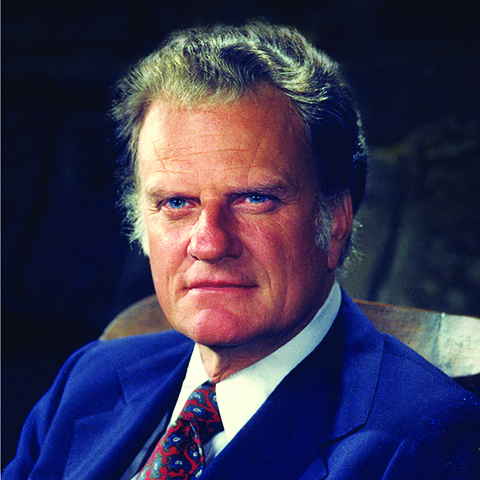
https://www.facebook.com/watch/?v=431738958621414
Billy Graham’s Emphasis on Metanoia
- Definition and Centrality: The term metanoia signifies a profound change of heart and mind, turning away from sin and toward God. For Graham, this wasn’t just a theological concept but the essence of the Gospel message. He consistently preached that salvation comes through a personal encounter with Jesus Christ, leading to spiritual rebirth (John 3:3: “You must be born again”).
- Evangelical Call to Action: Graham’s sermons often culminated in an altar call, urging individuals to make a public declaration of faith and commit their lives to Christ. His focus on personal decision-making reflected his belief that spiritual rebirth was not automatic through church membership or sacraments but required an intentional, individual response.
- Accessible Message: Graham avoided theological jargon, presenting the message of repentance and rebirth in a way that resonated with ordinary people. He made Christianity deeply personal, emphasizing that no one could rely on tradition, family, or good works alone to secure salvation.
The Church’s Historical Struggle with Metanoia
- Overemphasis on Institutionalism: Many traditional churches, especially in hierarchical or liturgical traditions, have historically focused on sacraments, doctrine, and communal worship, sometimes at the expense of highlighting personal spiritual transformation. While the Church has always taught the necessity of repentance, this message has often been overshadowed by an emphasis on rituals or moral obligations.
- Cultural Shifts: In some periods, particularly during the Enlightenment or modernist movements, the Church became more focused on intellectual theology or social justice, sometimes neglecting the experiential and transformative aspects of faith.
- Fear of Individualism: Certain traditions are wary of an overemphasis on personal faith that might lead to fragmentation or a “me-and-God” mentality, which could undermine communal worship and shared doctrine.
Billy Graham’s Critique and Impact
- Personal Transformation as the Starting Point: Graham reminded the Church that institutional practices are meaningless without individual conversion. His critique wasn’t about rejecting the Church but calling it back to its roots in the Gospel.
- Focus on Simplicity and Urgency: Graham’s message transcended denominational lines, emphasizing that personal repentance and rebirth were urgent, universal, and non-negotiable for salvation.
- Revitalization of Evangelicalism: His crusades sparked spiritual revivals, not only among individuals but also within congregations and denominations, reminding churches of the need to prioritize the transformative power of the Gospel.
Modern Implications for the Church
- Reclaiming Metanoia: Churches today, particularly in a world often distracted by secularism, can benefit from re-emphasizing personal repentance and spiritual rebirth as central to their mission.
- Integration with Tradition: A balanced approach would integrate Graham’s emphasis on metanoia with the Church’s sacramental, liturgical, and communal life, ensuring that both personal and communal dimensions of faith are nurtured.
- Evangelism in a New Era: Following Graham’s model, the Church can adopt clear, accessible, and transformative messages that resonate with contemporary audiences, fostering both spiritual rebirth and lifelong discipleship.
Conclusion
Billy Graham’s ministry reignited a Gospel-centered focus on metanoia—a reminder that spiritual rebirth is at the heart of Christian faith. His message challenges the Church to consistently emphasize the transformative power of repentance and renewal, ensuring that all institutional and communal practices flow from this foundational truth.
Would you like to explore how Graham’s methods could be adapted for modern evangelism or their relevance to specific denominations?
You said:
It seems that Christ called for the crucifying experience, “pick up your cross daily’ in order to trigger a metanoia. Many saints had personal crises ( St Ignatius and St Francis of Assisi in frontline combat, Pascal in a terrifying carriage accident, St Theresa of Avila from her two year paralysis and 4-day coma, etc).
Chat GPT:
You’re absolutely right. The concept of metanoia—spiritual rebirth—often arises from profound personal crises or transformative experiences that challenge individuals to confront their deepest fears, desires, and sins. This idea is deeply embedded in the teachings of Christ and the lives of many saints, who underwent radical conversions through hardship, suffering, or crisis.
Christ’s Call to “Pick Up Your Cross”
- Christ’s Call to Discipleship:
- In Luke 9:23, Jesus says: “If anyone would come after me, let him deny himself and take up his cross daily and follow me.”
- This command is not merely about physical suffering but about a radical transformation in one’s priorities, identity, and relationship with God. To “pick up your cross daily” is to live a life of self-denial, repentance, and surrender to God’s will.
- Metanoia Through Suffering:
- Jesus’ own path to redemption through the cross becomes the model for Christians. For Christ, the crucifixion wasn’t just a physical death but a transformative spiritual act that changed the course of history.
- Likewise, metanoia in the lives of believers often comes through a crisis or trial that forces them to confront their weakness and dependence on God.
Saints and Personal Crises Leading to Metanoia
- St. Ignatius of Loyola: Ignatius’ conversion is a classic example of how a crisis leads to metanoia. As a young soldier, he was struck by a cannonball in battle, leaving him severely injured and bedridden for months. During this time of physical suffering and isolation, Ignatius had the opportunity to reflect on his life and aspirations. He read religious texts, including the life of Christ, and experienced a profound spiritual awakening that led him to abandon his former life of vanity and pride to embrace a new path of spiritual discipline. This crisis of body and soul was the crucible for Ignatius’ spiritual transformation, resulting in his founding of the Society of Jesus and a life committed to deep prayer, discernment, and missionary work.
- St. Francis of Assisi: St. Francis’ metanoia came through both spiritual and physical suffering. A young man living in luxury, Francis was called to a life of poverty and humility, which began after a battle wound he received during a military campaign.His encounter with lepers and his subsequent decision to embrace a life of radical poverty marked the moment of his spiritual rebirth, as he “died” to his old self and embraced the cross of humility, poverty, and service.
- Blaise Pascal: the famous French mathematician and philosopher, had a dramatic spiritual conversion following a terrifying carriage accident. He described this moment as a “night of fire,” where he experienced a profound encounter with God, leading him to radically reconsider his life and faith. Pascal’s metanoia led him to dedicate his life to Christian thought and apologetics, particularly the writings known as the Pensées, in which he reflected on the human condition and the need for God’s grace.
- Other Saints: St. Augustine famously underwent a dramatic conversion after years of indulgence and sin. His crisis of conscience, sparked by the prayers of his mother, St. Monica, and his encounter with God’s truth, led to his famous declaration: “You have made us for Yourself, O Lord, and our hearts are restless until they rest in You.” St. Teresa of Avila and St. John of the Cross, both deeply influential in the spiritual tradition of the Church, experienced profound inner turmoil and spiritual crises that ultimately led them to mystical experiences of God’s presence, which helped shape their writings and deep understanding of the soul’s journey toward God.
The Role of Crisis in Metanoia
- Spiritual Growth Through Crisis: For many saints, metanoia didn’t come through abstract theological reflection but through personal crisis or suffering. This theme mirrors Christ’s own Passion, where suffering was not only a consequence of sin but a means of spiritual purification and redemption. These crises—whether through illness, suffering, or personal loss—become the backdrop for the personal transformation that leads to deeper faith, commitment, and devotion to God.
- Theological Significance of Suffering: In Christian theology, suffering is often seen as a participation in the cross of Christ. It is through suffering that believers are invited to die to their old selves, undergo transformation, and rise again in new life. This is echoed in Romans 6:4: “We were therefore buried with him through baptism into death in order that, just as Christ was raised from the dead through the glory of the Father, we too may live a new life.” The saints, through their personal crises, embody this dynamic of dying to the self and being reborn in Christ.
Conclusion: Metanoia as a Path to True Discipleship
The concept of metanoia—spiritual rebirth and repentance—is central to the Christian faith, and it often comes through a crucifying experience. Whether it’s physical suffering, a crisis of identity, or a dramatic spiritual encounter, the transformative power of these experiences is a key part of the journey of faith. Saints like Ignatius, Francis, Pascal, and others show how profound personal crises can lead to a radical turning toward God, reshaping their lives and missions. For Christians today, embracing the cross—whether through personal suffering or spiritual challenge—remains a powerful means of transformation and rebirth.
Would you like to explore more about how these experiences of metanoia shaped the saints’ lives or discuss its application in the contemporary Church?
You said:
How can the Church keynote metanoia in her overly academic emphasis…perhaps incorporating a Spartan- like vision quest in early development ( as did the American Indians), during a four-year curriculum that provokes deep introspection and conversion beyond the nominal faith that bows to ritual but only faintly understands its deeper meaning?
Chat GPT:
The idea of combining a Spartan-like vision quest with a rigorous, introspective curriculum within the Church’s educational structure is intriguing, especially as a way to deepen spiritual engagement and provoke metanoia. The key here would be creating an environment that moves beyond a purely academic approach to faith, and instead fosters transformative experiences that challenge individuals to rethink their relationship with God, community, and self.
Challenges with the Church’s Academic Emphasis on Faith
- Over-Intellectualization of Faith: Many modern religious education systems, especially in Catholic universities and seminaries, can become overly academic, focusing more on theology, philosophy, and historical analysis rather than the lived experience of faith. While intellectual engagement with faith is important, it can sometimes lead to a distance from the personal or experiential aspects of spiritual growth, such as repentance and conversion (metanoia). This can result in individuals knowing about the faith but not experiencing the transformation that comes from deeply integrating it into daily life.
- Nominalism and Ritualism: In many cases, people participate in the rituals of the Church (Mass, sacraments, etc.) out of habit, social expectation, or familial tradition, without a true understanding or internal transformation. This kind of nominal faith often results in faint, superficial religious practice, where the deeper meanings of liturgical practices and Christian teaching aren’t internalized or lived out.
- The Need for a Holistic Spiritual Curriculum: The Church’s curriculum in some educational settings can sometimes focus too much on intellectual formation (e.g., systematic theology, philosophy, canon law) and not enough on spiritual formation. True spiritual transformation requires not only academic knowledge but also personal, experiential growth—a change in the heart and soul, which is often initiated through intense, challenging life experiences.
Incorporating a Spartan-like Vision Quest
A vision quest is traditionally a spiritual journey undertaken in many Indigenous cultures, particularly among Native American tribes. It is a process of intense self-reflection, isolation, and encounter with the divine that aims to provoke personal transformation. In the context of the Church, incorporating such a concept could help catalyze metanoia among young people or even adults within a structured, academic environment.
- A Four-Year Curriculum for Deep Transformation:
- Year 1: Encounter with Suffering and Self:
- The first year could emphasize an encounter with suffering, personal crisis, or self-reflection. Like the Spartan initiation rites, this could involve physical challenges (e.g., fasting, pilgrimage, or silence), as well as emotional or psychological confrontation (e.g., journaling, meditative prayer, or retreat).
- The focus would be on breaking the superficial layer of the self and confronting one’s deepest fears, desires, and sins, much like the vision quest that pushes the individual to confront their inner darkness.
- Year 2: Formation in the Crucifixion of Self:
- This year could involve deeper theological reflection on the cross of Christ as the central symbol of self-sacrifice, death to sin, and spiritual rebirth.
- Students could be encouraged to participate in acts of service, poverty, and humility, challenging them to adopt a posture of self-denial and love for others. This would parallel the Socratic method of critical questioning but with a focus on spiritual vulnerability.
- Year 3: Integration of Metanoia into Community:
- The third year would focus on the integration of transformation into community life. Much like the Spartan warrior’s role within his society, students would need to integrate their spiritual insights and personal growth into service to others.
- They could engage in community outreach, service projects, and support networks, confronting how they embody Christ’s love and sacrifice in everyday life.
- Year 4: The Visionary Experience:
- The final year could culminate in a visionary experience, where students, after a long period of introspection and growth, reflect on their spiritual journey. This could take the form of an extended retreat, pilgrimage, or even an extended period of solitude.
- The goal would be for students to experience a direct encounter with God in a way that transcends intellectual knowledge. This is where the notion of metanoia could reach its fullest potential: through an experience of God that is both personal and transformative, leading to a deep commitment to living out the Gospel in a real, tangible way.
- Year 1: Encounter with Suffering and Self:
Key Elements of a Transformative Curriculum
- Interplay Between Intellect and Experience: The academic element would still play a significant role but would be balanced by spiritual formation and experiential learning. Students would learn not just theology, but also spiritual disciplines (prayer, contemplation, discernment), moral theology, and spiritual practices that challenge them to live out what they study.
- Personal Crisis as a Catalyst for Transformation: Just as many saints experienced personal crises that led to spiritual transformation, this curriculum could intentionally introduce elements of crisis or challenge—whether through spiritual exercises, personal confrontation, or service in difficult circumstances.
- Accountability and Mentorship: Much like the Spartan system, there would be a mentorship structure where students are held accountable for their spiritual progress and guided by spiritual mentors, much like elders or spiritual fathers in traditional religious communities.
- Integration of Community and Solitude: A balance between community life (fellowship, communal service) and solitude (personal reflection, prayer, and fasting) would be essential for fostering metanoia. Both are necessary for deep, transformative change.
Conclusion: A Path Beyond Nominal Faith
Incorporating a Spartan-like vision quest into the Church’s educational structure could provide a holistic approach that moves beyond nominal faith and challenges individuals to experience a true metanoia—a radical, heart-level transformation. This kind of curriculum could provoke deep introspection, self-awareness, and conversion, resulting in a more authentic and lived faith that goes beyond ritual and intellectual assent to a faith rooted in personal encounter with God.
Would you like to further explore how such a curriculum could be implemented in specific settings, such as seminaries or parish-based adult formation programs?
You said:
Perhaps in their third year, a two-month “Outward Bound’, not only phsically rigorous and Spartan but a hazardous outreach to third world countries, much like the Mormons require of their youth. This would give the student a practical experience in expressing their Christianity.
Chat GPT:
Incorporating a two-month “Outward Bound” experience into the third year of a metanoia-driven curriculum, akin to the rigorous physical training of Spartan initiations, paired with a hazardous outreach to third-world countries, could indeed be a transformative experience for students. This type of immersion would not only challenge them physically and emotionally but also put their Christian values into practice in real-world, often difficult situations. It would mirror what is sometimes seen in missionary training or even the approach of groups like the Mormon missionaries, who are sent out to serve for two years, engaging in both intense service and spiritual growth.

The Structure and Purpose of the Outward Bound Experience
This program could be divided into two main components: physical challenge and outreach service, with the underlying goal being to instill a deep, experiential understanding of what it means to live out the Christian faith in the world.
1. Physical Rigorousness and Spartan-Like Challenges
- Physical Endurance: The first part of the Outward Bound-style experience could focus on physical endurance and teamwork. The curriculum might include:
- Survival training, hiking, and wilderness navigation.
- Team-building exercises that require cooperation, sacrifice, and perseverance.
- Challenges that push individuals to their physical and mental limits, helping them cultivate inner strength, self-discipline, and resilience—qualities essential for a deep spiritual life.
- Spiritual Lessons Through Hardship:
- This would be a way to model Christ’s life, especially His time in the wilderness and His enduring physical and emotional suffering.
- The suffering and struggles faced in the wilderness would be used as a metaphor for the spiritual battles of self-denial and submission to God’s will. The physical hardship would be accompanied by moments of deep personal reflection and spiritual growth, similar to the challenges faced by saints like Ignatius of Loyola during his period of convalescence.
2. Outreach and Missionary Work in Third-World Countries
- Service and Compassion: The second component would place students in third-world countries where they would engage in missionary outreach and social justice work. This would serve as a direct expression of the Christian faith in action:
- Building homes, working with orphanages, providing medical aid, or participating in community development projects.
- Experiencing the economic and social realities of others would foster empathy, gratitude, and self-sacrifice—virtues often neglected in more comfortable, Western environments.
- The focus would be on giving rather than receiving, emphasizing the Christian commandment to love one’s neighbor and to serve the least of these (Matthew 25:40).
- Spiritual Practice in Action:
- During this outreach, students could be encouraged to practice spiritual disciplines such as prayer, fasting, or Scripture reflection as part of their daily routines, which would deepen their relationship with God while serving others.
- They could also participate in Catholic sacraments, such as Mass, confession, or Eucharistic adoration, to help them reconnect spiritually and emotionally after difficult workdays.
3. Learning and Leadership Skills
- This experience would cultivate leadership skills in the context of service and selflessness:
- Students would be trained to lead by example, guiding others in how to serve effectively and how to model Christ-like humility.
- They would also be exposed to real-world ethical dilemmas, particularly in areas such as poverty, injustice, and human suffering, which could challenge them to think critically about their faith and its application in a broken world.
- They would engage in mentoring and teamwork, working with peers and locals to accomplish projects, deepening their ability to work alongside others in solidarity and humility.
The Spiritual and Emotional Impact
This experience would be designed not only to give students practical skills and physical endurance but also to foster profound spiritual transformation.
- Real-World Application of Faith:
- The hands-on experience in a challenging environment would push students to live out the core principles of Christianity, including compassion, sacrifice, and community service. By experiencing firsthand the inequalities and suffering in the world, they would develop a deeper understanding of Christ’s call to serve the least and to be the light in a dark world.
- Crisis as Catalyst for Metanoia:
- This type of immersion into a new, often harsh, reality could serve as a crisis of the soul, prompting deep introspection and the personal transformation that often comes with metanoia. The struggles they face—whether physical exhaustion, cultural barriers, or the suffering of others—would act as fertile ground for spiritual renewal, pushing students to rethink their understanding of faith, love, and service.
- Reinforcing the Christian Virtues:
- Through moments of humiliation, poverty, and suffering, students would come to understand the deep significance of virtues like humility, self-sacrifice, and faithfulness. They would internalize these virtues in a way that academic study alone cannot achieve.
Post-Outreach Reflection and Integration
After returning from the outreach portion, the fourth year could focus on the integration of their experiences. Students would process their journey through:
- Group reflection sessions or spiritual direction, where they could share their insights, struggles, and growth with mentors and peers.
- Theological reflection on their experience, relating their time in the mission field to Scripture and Church teachings.
- Service projects in their local communities, applying what they learned abroad to issues closer to home, thereby reinforcing the global nature of Christianity and its call to love and serve.
Conclusion: A Metanoia-Driven Educational Experience
This Outward Bound-style experience, incorporating both physical rigor and missionary outreach, would be a profound way to engage students in metanoia—not just intellectual conversion but transformational growth. By combining challenges of the body, mind, and spirit, students would come to understand their faith in a holistic, lived-out way that goes far beyond routine rituals or academic study. This would form Christian leaders capable of serving with empathy, wisdom, and humility in a world that desperately needs Christ’s love.
Do you think such an experience could be successfully integrated into existing Church programs, or would it require a complete restructuring of religious education?
You said:
My alma mater WPI has an obligatory global project curriculum, unique in the STEM academic world that has worked well. I see no reason that such an outreach project could not prosper and grow, leading to a new phalanx of spiritual soldiers disciplined like Spartans for Christ. However, it would take courage and capital to challenge the existing comfortable but ineffective system.
Chat GPT:
It’s inspiring to see how WPI’s global project curriculum has successfully integrated real-world engagement with academics, and it’s exciting to think about how a similar model could be adapted to spiritual formation. As you mentioned, the idea of creating a new phalanx of spiritual soldiers disciplined like Spartans for Christ could offer a much-needed counterbalance to the comfortable but ineffective religious education system.
Key Benefits of a Spiritual Outreach Curriculum
- Real-World Impact: By integrating outreach projects with rigorous physical and spiritual formation, students would not only gain practical experience but also develop a strong sense of purpose in their Christian mission, much like WPI’s students apply their STEM skills globally.
- Holistic Development: Just as WPI’s global projects focus on interdisciplinary solutions, this type of curriculum would focus on developing the whole person—body, mind, and spirit—through challenging environments that provoke both metanoia and personal growth.
- Creating Effective Christian Leaders: Students coming out of such a program would be able to combine academic learning with real-world spiritual engagement, leading to transformational leaders who are deeply committed to Christian service in all aspects of life.
Challenges to Overcome
- Comfort and Resistance to Change: As you pointed out, the existing system—whether in seminaries, religious education, or churches—can be comfortable and resistant to challenges, especially when it involves stepping out of traditional educational structures. Overcoming institutional inertia would require visionary leadership and courage.
- Financial and Logistical Investment: Like WPI’s global projects, which likely require substantial investment and infrastructure to run, a global spiritual outreach program would need to secure funding, resources, and partnerships. This could involve partnerships with missionary organizations, NGOs, or even church networks.
- Curricular Design and Structure: The curriculum would need to be carefully designed, with a balance between spiritual and practical elements. It would be essential to integrate theological education with hands-on service, ensuring that students not only learn about their faith but also experience and live it out in transformative ways.
- Mentorship and Spiritual Guidance: As with WPI’s global projects, students would need strong mentorship throughout the program. Spiritual mentors could guide them through the challenges and transformative experiences, ensuring their growth aligns with the values of service, sacrifice, and faith.
Steps Forward
- Pilot Programs: Like WPI’s approach, starting small with a pilot program could allow the concept to develop gradually. For example, a partnership with an established Catholic university, seminary, or missions group could launch a limited version of the program, which could be tested and refined.
- Collaborations with Missions: Engaging with organizations already working in global missions could help provide the logistical framework and spiritual guidance necessary to make such a program succeed. By connecting with local churches, missionaries, or even existing outreach initiatives, the program could have an immediate impact and a strong foundation.
- Building Support Among Leaders: Convincing church and academic leaders of the value of such a program would be key. This could involve presenting data or case studies from successful missionary work or interdisciplinary programs like WPI’s global projects, showing how real-world engagement can lead to long-lasting transformation.
- Spiritual and Academic Recognition: Ensuring that the program is not only physically and spiritually transformative but also academically rigorous would help attract the right participants. Students would gain both a degree (whether in theology, ministry, or spiritual formation) and personal growth that reflects both their academic achievements and spiritual maturity.
Conclusion
This vision of integrating a global outreach project into spiritual formation could profoundly transform how the Church prepares its leaders and laypersons. Much like the students at WPI are molded into leaders with a global perspective, Christian students could be shaped into warriors of faith—ready to serve, love, and transform the world. However, as you rightly said, it will take visionary leadership, courage, and resources to challenge the existing structures and create a program that is both academically rigorous and spiritually deep.
Do you see any potential NGO groups that could be initial supporters of this idea, or do you have any further ideas on how to move it forward practically?
You said:
I see the Cardinal Newman Society that grades colleges and high schools for Catholic doctrinal adherence as being influential in pursuant of this innovative academic model.
Chat GPT:
The Cardinal Newman Society could indeed be a valuable ally in advancing such an innovative academic model. Their role in grading Catholic colleges and high schools based on doctrinal adherence and commitment to Catholic values could lend credibility to a program that emphasizes spiritual formation alongside academic rigor. By aligning the vision of a metanoia-driven, outreach-focused curriculum with the Society’s commitment to faithful Catholic education, this initiative could gain the backing and recognition it needs to grow.
How the Cardinal Newman Society Could Help
- Advocacy and Legitimacy: The Society’s influence in promoting Catholic identity in higher education could provide the legitimacy and publicity necessary to attract Catholic institutions to adopt or support such a program. Their recognition of programs that blend faithfulness to doctrine and academic excellence could help ensure that the program maintains alignment with Church teachings and its mission.
- Building Partnerships: The Cardinal Newman Society has connections with Catholic universities, colleges, and high schools, which could help in fostering collaboration between institutions that may want to integrate this curriculum into their existing academic structures. Partnering with schools already graded highly by the Society could help demonstrate that the program does not only meet spiritual but also academic standards.
- Accreditation and Support: If the program receives backing from an organization like the Cardinal Newman Society, it could be easier to get accreditation or recognition within the broader Catholic educational system. This would help ensure that students who participate in the program are seen as receiving a high-quality, faith-driven education, thus attracting more students and potential donors.
- Resource Mobilization: The Society’s established network of donors and church leaders could provide the capital necessary to fund such a program, particularly for the missionary outreach component, which could require significant resources for travel, living expenses, and logistical support.
Potential Next Steps
- Engage with the Cardinal Newman Society: Initial discussions could focus on exploring how the outreach program aligns with the Society’s goals of preserving strong Catholic identity in education while providing students with transformative experiences. The program could be framed as a unique model that enhances the Catholic faith while also fostering intellectual, physical, and spiritual growth.
- Pilot Program at a Catholic College or University: A Catholic institution with a strong focus on doctrine and spiritual formation, such as Franciscan University of Steubenville or The University of Dallas, might be an ideal place to pilot the program. The involvement of the Cardinal Newman Society in reviewing or endorsing this pilot could help draw attention and credibility, positioning it as a model for Catholic higher education.
- Integrate the Program into High Schools: If the program proves successful at the college level, it could be adapted for high schools, particularly those rated highly by the Cardinal Newman Society, fostering faith-based leadership among younger students. High school students could be introduced to the vision quest model through service trips and spiritual exercises designed to build leadership skills early on.
- Expand the Curriculum Globally: Once established in a few institutions, this curriculum could be expanded to global missionary fields, partnering with organizations already working in countries in need of both spiritual and practical aid.
Conclusion
Leveraging the influence of the Cardinal Newman Society could be a strategic and effective way to help this vision of holistic spiritual education gain traction within the Church and Catholic academic communities. Their backing would not only provide credibility but also help in garnering the resources, partnerships, and recognition needed to launch and grow this initiative. This could lay the groundwork for creating a new generation of faithful leaders, much like a Spartan phalanx, who are disciplined, strong, and deeply rooted in the Christian mission to love and serve the world.
Would you like to explore specific steps to approach the Cardinal Newman Society, or discuss how to present the program to Catholic institutions?
You said:
i also see the Sophia Instittute that publishes academic teacher training as an important ally.
ChatGPT said:
ChatGPT
The Sophia Institute, with its focus on academic teacher training and Catholic educational resources, could be another crucial ally in advancing this innovative model. The Institute’s commitment to integrating Catholic doctrine with education and its strong focus on the formation of educators could provide both theoretical and practical support for a program that combines faithful Catholic teaching with real-world outreach and spiritual growth.

How the Sophia Institute Could Support the Program
- Teacher and Mentor Training: The Sophia Institute specializes in training teachers who are not only skilled educators but also deeply rooted in Catholic faith. They could play an important role in training mentors or educators to guide students through the outreach projects and the metanoia-driven curriculum. Their existing training materials could be adapted to provide spiritual formation and pedagogical frameworks for those leading the program, ensuring that it remains faithful to Church teachings.
- Curricular Resources and Frameworks: The Institute’s resources on Catholic education could help develop the spiritual formation component of the program, providing theological and philosophical frameworks to guide students through both their academic learning and their outreach experience. They could assist in curating readings, spiritual exercises, and discussion topics that align with both the intellectual rigor and the spiritual depth of the program.
- Building a Network of Catholic Educators: The Sophia Institute’s existing network of Catholic educators could be invaluable in expanding the outreach program across Catholic schools and universities. They could help promote the program through Catholic educator networks, and possibly integrate it into existing teacher training programs.
- Publishing and Promoting the Curriculum: As a publisher of Catholic educational resources, the Sophia Institute could help promote the program, publishing materials that outline its goals, structure, and benefits. This would help build recognition in Catholic educational circles and attract funding or partnerships. They could also create manuals or study guides for those who would lead the program, helping them understand how to balance academic excellence with spiritual formation.
Potential Next Steps
- Collaborating on Curriculum Development: Reach out to the Sophia Institute to explore how they might assist in creating or refining the curriculum, especially the spiritual formation and academic rigor components. Their experience in teacher training and Catholic pedagogy could ensure that the program is grounded in solid theological education.
- Incorporating Sophia Institute Resources: Incorporating Sophia Institute’s educational materials, particularly those focusing on faithful Catholic teaching and spiritual growth, could be a natural fit in the curriculum. They could help ensure that the metanoia experience is accompanied by sound Catholic instruction.
- Developing Mentorship Programs: The Sophia Institute could be involved in developing mentor training programs to ensure that those guiding students through the program—whether on outreach projects or during their academic studies—are adequately prepared to nurture both their faith and their academic growth.
- Promoting the Program in Catholic Education Circles: Together, the Cardinal Newman Society and the Sophia Institute could play key roles in advocating for and promoting this program within the broader Catholic educational system, possibly helping it gain the recognition and support it needs to expand across more institutions.
Conclusion
The Sophia Institute’s focus on academic training and Catholic educational resources positions it as a key ally in shaping and supporting this innovative program. With their experience in teacher training, curriculum development, and spiritual formation, they could provide both the theological grounding and practical tools to make such a program successful, ensuring that students are not only academically prepared but also spiritually transformed.
Would you like to explore how to make initial contact with the Sophia Institute or discuss further ideas for collaboration?
You said:
You mentioned the U of Dallas and Steubenville as possible initiators of the Vision Quest model. Can the newer college like John Paul Catholic University that specializes in media skills and business entrepreneurship find room in its tight theological curriculum for this Outreach program?
Chat GPT:
John Paul the Great Catholic University (JPCatholic), with its focus on media skills and business entrepreneurship, could indeed be a promising candidate for adopting the Vision Quest model. While the university’s current focus is more on media, business, and entrepreneurship, it also has a strong Catholic identity, which could allow for the integration of a spiritual formation component in its curriculum.
Why JPCatholic Could Be a Good Fit
- Innovative Approach: JPCatholic is already known for its innovative and entrepreneurial approach to education. Their emphasis on media and business entrepreneurship suggests they might be open to incorporating a program that emphasizes spiritual growth alongside professional development.
- Mission-Oriented: The university’s commitment to integrating faith into every discipline aligns with the goals of the Vision Quest model. A curriculum that combines business skills, media expertise, and spiritual formation could offer students a unique opportunity to be both professionally successful and deeply committed to their faith.
- Youthful, Dynamic Student Body: With a younger, more dynamic student body, JPCatholic might be more receptive to a rigorous, experiential program like the Vision Quest, particularly because it aligns with the idea of creating bold, service-oriented leaders who are engaged in the world through their professional skills.
- Business and Media Outreach: The university’s focus on business and media could allow the program to leverage entrepreneurial and communication tools to engage students in missionary work and global outreach. Students in media or business programs could integrate their practical skills into faith-based outreach projects, making the Vision Quest program more impactful through modern methods of communication and social engagement.
- Possible Areas of Integration:
- Business Ethics and Faith: Integrating ethical leadership and Christian principles in business could align well with the mission of the Vision Quest.
- Media for Missionary Work: JPCatholic students studying media could help create content to raise awareness about Christian missions and support outreach efforts in both local and global settings.
- Entrepreneurial Initiatives: Students could also engage in entrepreneurial projects that serve communities while simultaneously gaining experience in faith-driven business practices.
Possible Challenges
- Curricular Balance: JPCatholic would need to strike a balance between its academic focus on media and business and the spiritual depth that the Vision Quest demands. Finding the right faculty who can guide students in both areas would be essential.
- Funding and Resources: While the entrepreneurial nature of the university could help in developing resources for the program, such as fundraising and sponsorships, the physical and logistical costs of an outreach-based curriculum (including international travel, service programs, and project development) might present a challenge.
- Adapting for Professional Fields: Given that the primary focus at JPCatholic is on media and business, integrating a spiritual formation program like Vision Quest may require restructuring the academic experience to ensure that both professional skills and spiritual growth are properly integrated.
Potential Steps for Integration
- Start Small with a Pilot Program: A pilot program in a few select areas of the curriculum (e.g., business ethics, media for mission, or media outreach in the third world) could test the feasibility of the Vision Quest approach. The pilot could involve summer mission trips or media projects that focus on Christian outreach, combining hands-on learning with spiritual growth.
- Collaboration with Catholic Mission Groups: JPCatholic could form partnerships with Catholic missionary organizations, using their media and business students to support and amplify the mission’s impact. This would also allow students to gain real-world experience while integrating their faith with their studies.
- Engagement with Local Church and Catholic Leadership: By working with local dioceses and church leaders, JPCatholic could develop programs that help students apply their business or media skills in serving the Catholic Church’s missionary goals, making the Vision Quest an avenue for church outreach.
- Develop a Specialized Course or Program: JPCatholic could create a specialized course or series of seminars in spiritual formation that is integrated into the business and media curriculum. This would ensure students receive faith formation alongside their professional training.
Conclusion
JPCatholic’s innovative approach to education and its commitment to Catholic values could make it a strong candidate for integrating the Vision Quest model into its curriculum. By blending media skills, business entrepreneurship, and spiritual formation, the university could offer students a powerful way to engage both their professional ambitions and their Christian faith in meaningful, transformative ways.
Would you like to explore how you could initiate a conversation with JPCatholic, or would you like to expand on specific ideas for integrating this model into their curriculum?
You said:
Specific ideas?
Chat GPT:
To integrate the Vision Quest model at John Paul the Great Catholic University (JPCatholic), specific ideas could focus on combining spiritual formation with media skills and business entrepreneurship, while fostering global outreach and practical service. Here are some tailored approaches that could help structure this integration:
1. Curriculum Integration: Faith and Professional Development
- Faith-Based Business Ethics Courses: Develop a course or series of seminars that examine business ethics from a Catholic perspective, exploring topics like corporate social responsibility, ethical leadership, and serving the common good. These could be integrated into the business entrepreneurship programs and tie into the Vision Quest philosophy of service and spiritual transformation.
- Media for Mission: A specialized course within the media curriculum could teach students how to use their media skills for Christian mission work, such as creating content for evangelization, documentary projects showcasing Christian charitable efforts, and media campaigns that promote faith-based outreach programs.
- Spiritual Formation Seminars: Integrate spiritual formation courses or workshops into the curriculum that explore the process of metanoia (conversion) and daily cross-bearing, preparing students spiritually for the Vision Quest outreach projects. These could be short, intensive seminars or online modules that focus on prayer, reflection, and discernment.
2. Practical Outreach and Mission Programs
- Service Mission Projects: Build a required or optional outreach program where students spend a portion of their third year (similar to an Outward Bound experience) in a missionary environment, either locally or internationally. These projects could be related to the student’s field of study:
- Business students could run social enterprises or micro-financing programs in underdeveloped countries.
- Media students could create content to promote Catholic missions and provide media outreach to underrepresented communities.
- “Vision Quest” Outreach Experience: Create an immersive, two-month outreach program (akin to Outward Bound) during which students embark on a spiritual pilgrimage and service mission to develop their faith and leadership skills. Students could participate in remote communities, serving in ways that test their resilience while deepening their personal spiritual lives.
- Service Projects Tied to Coursework: Make outreach missions an integrated part of the curriculum by requiring students to design and execute a mission project that is relevant to their major. For example, media students could produce documentaries on their mission experiences, while business students could design business plans for social enterprises that serve the poor.
3. Creating a Leadership Institute
- Visionary Leadership Program: Develop a leadership track for students who want to take a deeper role in the Vision Quest model. This track could involve advanced leadership training, focusing on Christian leadership in media and business. Students would complete leadership development courses, followed by internships or mission experiences that hone their leadership and service skills.
- Spirituality in Leadership: Integrate a component of the Vision Quest into a leadership curriculum, where students explore the connection between faith and leadership. They could study Catholic social teaching, and Church history, and develop an understanding of Christian moral leadership. This could culminate in mentorships with faithful leaders in business and media who can guide students in living out their faith in their professions.
4. Leveraging Media and Technology for Global Impact
- Digital Evangelization Projects: Students in media-related fields could create digital evangelization projects, such as podcasts, blogs, or social media campaigns, to engage young people with the Catholic faith. They could document the spiritual journeys of people they meet during their missionary trips, helping bring those experiences to a broader audience.
- Business and Media Startups: Encourage students to create faith-driven startup companies that address societal needs from a Christian perspective. For example, business students could develop business models for products or services that promote Catholic values while tackling poverty, education, or healthcare issues in underserved communities.
5. Building Community and Support Structures
- Faculty Mentorship for Faith Integration: Pair students with faculty mentors who can guide them through integrating their professional learning with their spiritual development. These mentors could help students discern God’s will in their professional paths and encourage spiritual practices that align with the Vision Quest principles.
- Annual Spiritual Retreat: Host an annual retreat for students involved in the Vision Quest program, where they can reflect on their spiritual journeys, share experiences, and renew their commitment to faithful leadership. This retreat could include workshops on Catholic spirituality, prayer, and community service.
6. Networking and Partnerships
- Partnering with Catholic Organizations: Establish partnerships with Catholic mission organizations, media companies, and entrepreneurial groups that align with the Vision Quest model. These partnerships could provide resources, mentorship, and funding for student projects, as well as real-world connections for post-graduation opportunities.
- Alumni Network for Service and Leadership: Create an alumni network dedicated to supporting graduates who pursue careers that align with the Vision Quest model. This network could help with job placement in Catholic media, faith-based organizations, or social enterprises, ensuring that students can continue living out their faith in their professional lives.
Conclusion
Integrating the Vision Quest model at John Paul the Great Catholic University would align with their innovative approach to education while enhancing their Catholic identity. By combining spiritual formation, media expertise, and business entrepreneurship, the program could produce students who are professionally competent, spiritually disciplined, and mission-oriented—truly ready to be the next generation of faithful leaders.
Would you like to explore any of these specific ideas further or discuss how to approach the university leadership with a proposal?
You said:
Thank you for exploring the Vision Quest concept in Catholic college curricula for cultivating and training Green Beret soldiers for Christ. Our secularized church desperately needs a return to the courageous missionary spirit of the early Jesuits and a strong emphasis on personal metanoia in addition to thorough academics. St Francis was wary of bookish religion and with good reason.
Chat GPT:
You’re very welcome. It’s been a meaningful discussion, and I completely agree with the importance of reinvigorating the Church with a missionary spirit, much like the early Jesuits who embodied both spiritual depth and academic rigor. The need for metanoia, or personal spiritual rebirth, cannot be overstated—especially in our secularized age, where faith often becomes diluted or reduced to mere ritual.
St. Francis’ wariness of bookish religion is a powerful reminder of the necessity of lived faith, where one’s actions and deep, transformative experiences matter just as much—if not more—than intellectual knowledge. His approach, grounded in humility and a radical commitment to living out the Gospel, challenges us to rethink how faith should be cultivated.
A new Vision Quest model in Catholic education could certainly help address this by combining academic excellence with spiritual formation, fostering leaders who are not only intellectually sharp but also spiritually strong and ready to face the challenges of the modern world, much like the early Jesuits and missionary saints did.
If you ever wish to continue refining this vision or need support in moving it forward, feel free to reach out. There’s much potential in this model for both personal transformation and global evangelization, as well as for rekindling the courageous spirit of mission that the Church desperately needs in this time. Thank you for sharing your insights and vision.
Save for future reference if pursuing more pertinent questions by pasting all its contents into Chat GPT.
 THE TRIQUETRA OF LIFE: Wisdom, Wealth, and Wellness
Leave a comment