
Elon Musk once seemed like a man who had escaped gravity. His ascent was dazzling—Tesla, SpaceX, Neuralink, Starlink—all forged from sheer will, genius, and defiance of limits. He was our Prometheus, stealing fire in the form of electric cars, reusable rockets, and dreams of inhabiting the planet Mars. But now, the blaze looks less divine and more destructive.
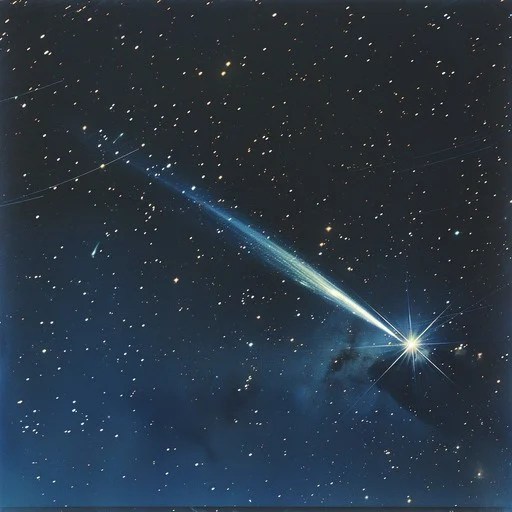
He’s become a shooting star—brilliant, fast, and mesmerizing—but entering the Earth’s atmosphere of human limitation, politics, ego, and overreach. And as with all shooting stars, the trajectory is beautiful… until it burns up in a dazzling display.
The signs of re-entry are everywhere. Tesla’s stock falters as electric vehicle demand slows and tax credits fade. SpaceX rockets explode in fiery test runs, no longer the novelty they once were. Neuralink and Space X inch toward science fiction but remain opaque. The swampy political arena—once carefully skirted—now consumes Elon Musk, with online tirades, impulsive endorsements, and a recent blowup with Donald Trump that felt more personal than strategic.
He’s no longer building systems—he’s reacting to stimuli. X, the social media platform he acquired and renamed, functions less as a business and more as a dopamine vending machine. It’s an addictive stimulant he owns and can’t put down, reinforcing every impulsive tweet, every feud, every rush of attention. For someone publicly managing Asperger’s and reportedly using ketamine for mood regulation, this feedback loop of hypervisibility and mega-stress is volatile fuel.
Even worse, he’s in high-speed auto-drive—distracted, drifting, veering off course. Not out of joy but out of compulsion. His huge responsibilities have expanded beyond what any one ordinary mind can sustain: Tesla, SpaceX, X, Neuralink, The Boring Company, artificial intelligence ventures, geopolitics, personal feuds with Trump and others— juggled without rest. No trusted lieutenants, no obvious succession plan, no breathing room.
Musk’s myth depends on his never blinking.
Myths flare. Myths inspire, then they collapse.
A normal person facing even a fraction of Musk’s high stressors—stock volatility, political backlash, exploding hardware, infinite public scrutiny—would likely end up in a psychiatric ward. Musk, shielded by wealth and brilliance, has stayed aloft longer. But the entropy of re-entry friction is mounting. The human psyche, however mighty, cannot outlast it forever.
The man who wanted to escape Earth—who built reusable rockets, tunneled under cities, and dreamed of colonizing Mars—may be brought down, not by physics or politics, but by something far more ancient and inescapable: the irony of being simply human . . . not an immortal god.


Leave a comment