An Excerpt from Chapter Thirty–Four
Path Perilous: My Search for God and the Miraculous
Autumn 1968, age 26
The high-speed drive from Connecticut to Boston rattled every nerve. Pain blurred the passing miles, dredging up an old memory—my acute appendicitis at twelve, my father driving without pause from a boys’ camp in the Berkshires two hundred miles to Melrose. The pain had been sharp and local. Now it was everywhere, sharp, swollen, and steady, as though my abdomen might burst at any moment.
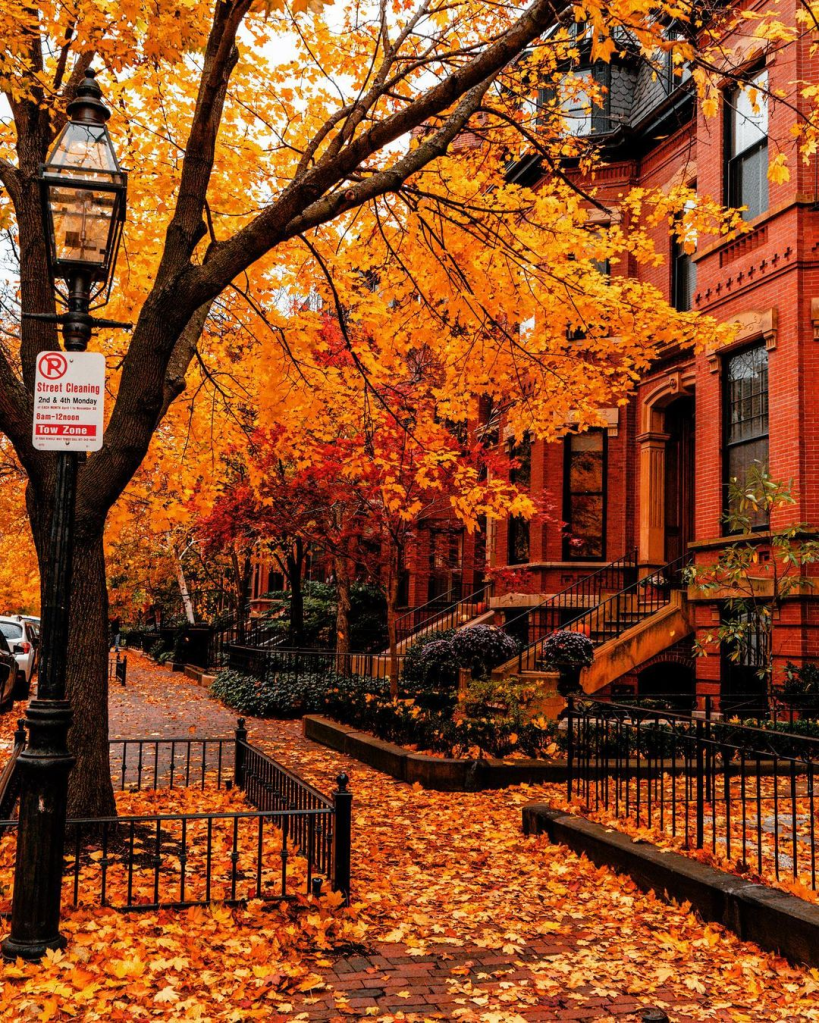
Joan and I finally reached the clinic called Rising Sun Christianity, a five-story brownstone at the corner of Exeter Street and Commonwealth Avenue. Thick granite steps rose from the slanted sidewalk toward a brown-paneled door fitted with a tarnished brass knocker. We knocked until someone came, asked for Dr. Ann Wigmore, and was told to wait. Bent over in pain, I took in the mansion’s fading Victorian elegance—chestnut paneling, floral ceiling reliefs—a refuge for the sick, fashioned from old wealth.
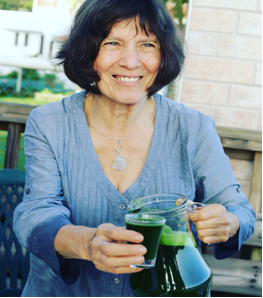
We did not wait long before Dr. Wigmore appeared. She was shy and retiring, slight of build, with short brown hair. Restless and fidgety, she listened as I described my condition. Lying on a lobby sofa, I answered her questions about what I had eaten.
After a pensive pause, she said the cause was severe gas distention from undercooked soybeans.
“Legumes are toxic if not properly cooked or sprouted,” she said, nodding. She assured me I would be fine within a day or two.
Her advocacy for wholesome food was hardly new. It echoed ideas promoted decades earlier by health-food advocates and traced its lineage back to Hippocrates, who proposed lifestyle and dietary changes would suffice for most ailments. He said, “Let food be your medicine.”
When she heard of my long pilgrimage, she invited me to stay on there as a volunteer—“angels,” she called us.
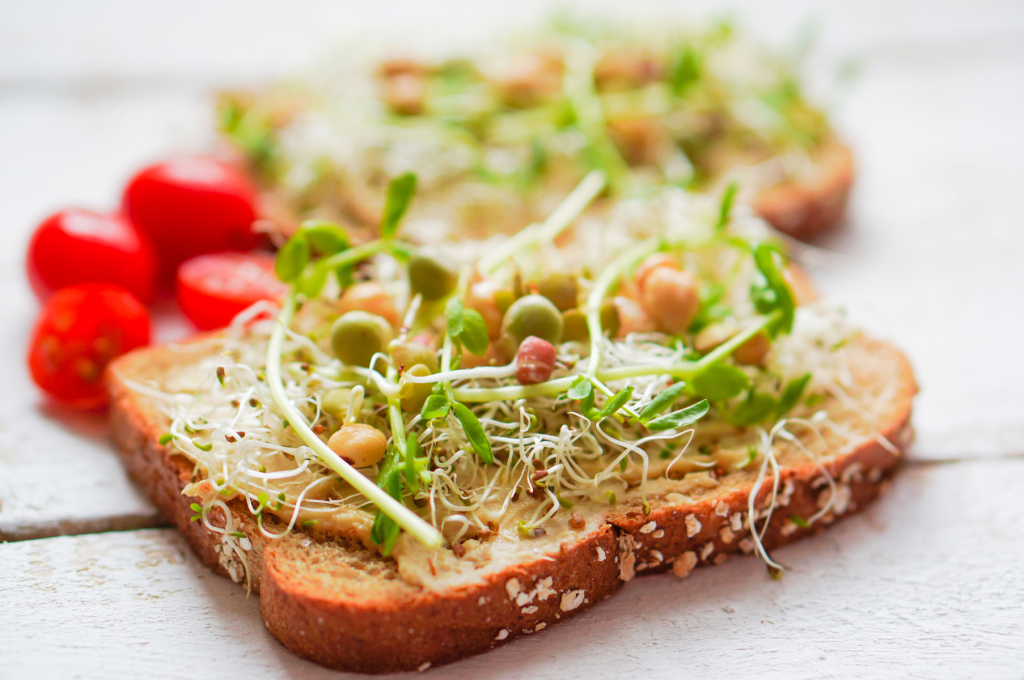
With youthful enthusiasm and naïveté, I soon came to believe a rigorous vegetarian diet could cure nearly any illness and perhaps even slow aging. With strict, almost religious devotion, I ate only “live foods”: seasonal fruits, organically grown vegetables, fresh salads sprinkled with sprouted legumes, nuts, wheat, and alfalfa sprouts.
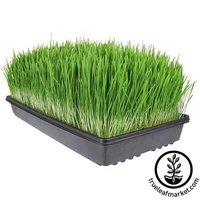
The weekly free dinner buffet became a kind of lecture theater. Adelle Davis, the famous nutritionist and author of Let’s Get Well, was the main attraction one evening. The Wigmore clinic had become a burgeoning counterculture health community. Fresh wheatgrass juice was its medicinal fulcrum.
A colorful cross section of patients gathered—every race, creed, and nationality. The main dining room of the Mansion, as the clinic was affectionately called, seated about twenty inpatients suffering from noncontagious diseases. Listening to stories of dramatic improvement kept me intrigued.
These supposed healings lent credibility to Dr. Wigmore’s drastic regimen, though many could likely be explained by nothing more than abandoning junk food.
After my acute stomach distress, the idea that wholesome food itself might restore my sorely emaciated body—the result of my homeless pilgrimage—felt less like theory.
It felt like a promise.
From the memoir-in-progress, nearing publication:
Path Perilous: My Search for God and the Miraculous
—a spiritual epic for truth-seekers, contemplative mystics, and all who long for God.
Visit www.RMDellOrfanoAuthor.com and pass it forward.


Leave a comment